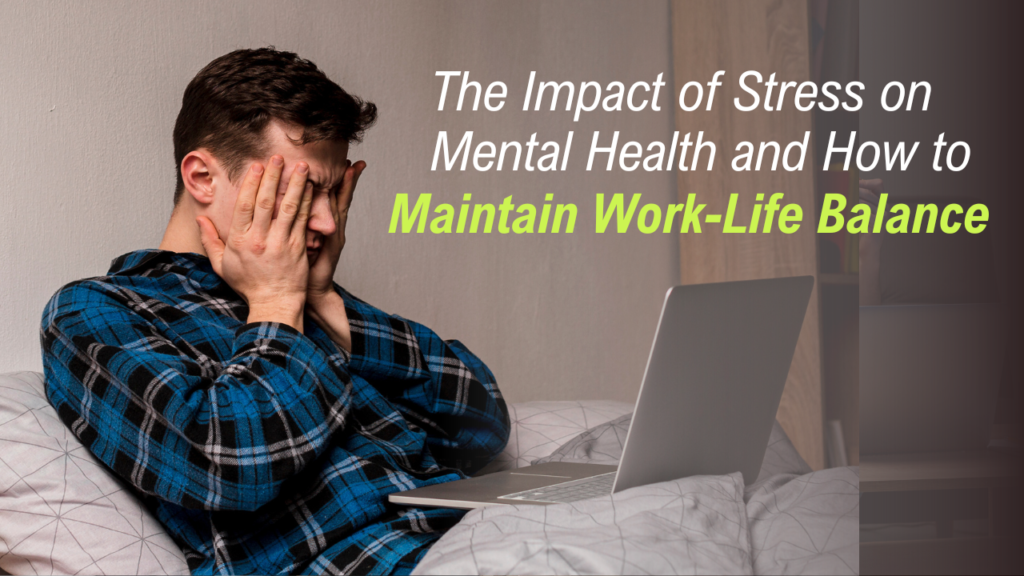
In today's fast-paced world, stress has become an inevitable part of our lives. It not only affects our day-to-day well-being but also has profound consequences on our mental health.
Recent data highlights the alarming prevalence of stress-related issues, shedding light on the urgent need to address this concern. Moreover, the pivotal roles played by NGOs (Non-Governmental Organizations) and dedicated mental wellness centers like the Manam Foundation cannot be overstated in promoting mental well-being.
In this blog, we will delve into the significant impact of stress on mental health and discuss how NGOs (Non-Governmental Organizations) contribute to maintaining a vital work-life balance.
Recent data from reputable sources highlights the alarming prevalence and severity of stress-related issues. According to the World Health Organization (WHO), stress has now surged to become the leading cause of mental health disorders on a global scale. In the United States alone, the National Institute of Mental Health (NIMH) reported that in 2021 more than one in five U.S. adults around 57. 8 miiions grappled with a mental health disorder, with stress being a major contributor to this statistic. Further emphasizing the issue, the American Institute of Stress revealed that job-related stress alone costs U.S. companies a staggering $300 billion annually in lost productivity and healthcare expenses. These statistics serve as an urgent call to action for addressing stress and its detrimental effects on mental health.
The link between stress and mental health
Stress can manifest in various forms, such as anxiety, depression, and burnout. Prolonged exposure to stress hormones like cortisol can disrupt the brain's functioning and result in cognitive impairments. Additionally, chronic stress weakens the immune system, making individuals more susceptible to illnesses and infections. Furthermore, stress can exacerbate pre-existing mental health conditions and trigger new ones, making it a significant risk factor for disorders like post-traumatic stress disorder (PTSD), bipolar disorder, and substance abuse.
Maintaining Work-Life Balance: A Necessity
Maintaining a harmonious work-life balance is paramount for effectively managing stress and preserving one's mental well-being. Achieving this balance involves efficiently allocating time and energy to both professional and personal life, thereby reducing the risk of burnout and enhancing overall life satisfaction.
In addition to this, the pivotal role of dedicated mental wellness centers and NGOs cannot be overstated when it comes to tackling and mitigating the detrimental impact of stress on mental health. In Odisha, Manam Foundation stands out as a highly esteemed organization, dedicated to the transformation and healing of countless individuals through its customized and evidence-based treatment approaches.
Role of NGOs and Mental Wellness Centers in Promoting Mental Well-Being
Here are several ways in which getting help from a reputable mental health center like the Manam Foundation can make a remarkable difference to your mental well-being.
Conclusion
In a world where stress is an ever-present challenge to our mental health, it is imperative that we take proactive steps to maintain a healthy work-life balance and seek support when needed. The impact of stress on mental health is undeniable, but with the right strategies and the invaluable support of organizations like the Manam Foundation, individuals can navigate life's challenges while preserving their mental well-being.
By recognizing the significance of work-life balance, accessing professional help when needed, and supporting organizations committed to mental health, we can collectively work towards a society that prioritizes mental well-being. Always remember, that your mental health matters, and there is help and hope available.
Prioritize your mental well-being today!
Manam Foundation ,Lewis Road Bhubaneswar,751002