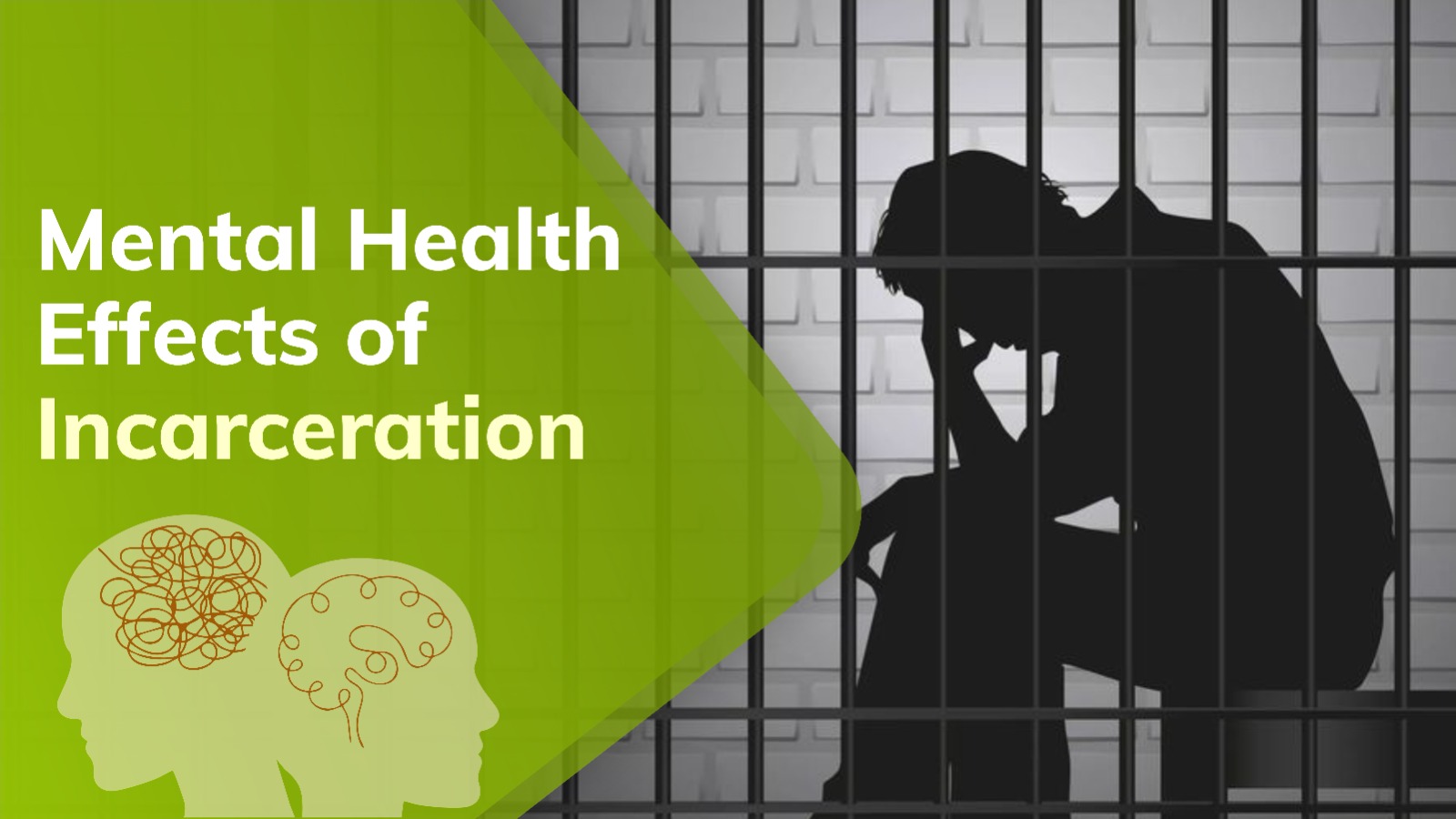
Incarceration is a harsh reality, with millions of people from around the world going to prison each year for some criminal offense they have committed. However, living in an overcrowded and under-resourced prison is not only physically exhausting, but also emotionally draining.
The effects of harsh prison environments, solitary confinement, and lack of adequate psychological support extend far beyond imprisonment and lead to a variety of mental health problems.
Incarceration Rates and Mental Health
Individuals considered mentally healthy at the time of arrest gradually develop mental health symptoms once they enter prison.
According to global statistics, approximately 15-20% of prisoners suffer from serious mental health disorders, including depression, anxiety, and schizophrenia. Furthermore, studies indicate that prisoners experience mental health conditions at significantly higher rates than the general population.
The mental health of prisoners is one of the most pressing concerns that cannot be ignored. Understanding these effects is crucial to tackling the long-term consequences of imprisonment and ensuring the mental well-being of incarcerated individuals.
Isolation and Loneliness
Prisoners are required to live highly disciplined lives with limited freedoms compared to the general population. One of the most psychologically distressing aspects of incarceration is solitary confinement, where individuals are isolated from their families and society.
Extended isolation can severely impact mental health, leading to conditions such as anxiety, depression, hallucinations, and cognitive decline. Prolonged solitary confinement often results in extreme social isolation, making reintegration into society even more difficult.
Research from NCBI indicates that spending up to 23 hours a day in isolation can trigger hallucinations, paranoia, and suicidal thoughts, further exacerbating the psychological toll on prisoners. (Courtesy : NCBI,”Impact of Incarceration on Health“)
Loss of Autonomy
Prisoners must adhere to strict regulations, with little control over their daily routines, decision-making, and personal choices. This loss of autonomy leads to frustration, feelings of helplessness, psychological distress, and struggles with decision-making after release. Over time, prisoners can develop learned helplessness, where they feel they have no control over their circumstances, which can further deteriorate their mental health.
Hypervigilance and PTSD
Life in prison often requires inmates to be on constant high alert due to the risk of violence, abuse, and intimidation. This state of hypervigilance can lead to post-traumatic stress disorder (PTSD), symptoms of which can include nightmares, flashbacks, and difficulty trusting others. Many inmates, particularly those who have experienced trauma before imprisonment, struggle with long-term psychological effects even after their release. This makes reintegrating into society even more difficult.
Depression
Feelings of hopelessness, despair, and lack of purpose are common among prisoners, leading to high rates of depression. The absence of family, limited access to meaningful activities, and the stigma of incarceration exacerbate depressive symptoms, increasing the risk of self-harm and suicide.
Anxiety Disorders
Constant exposure to a stressful and unpredictable environment fosters anxiety disorders among inmates. Fear of violence, uncertainty about their future, and lack of emotional support contribute to chronic anxiety, which often remains untreated in prison settings.
Post-Traumatic Stress Disorder (PTSD)
Many prisoners, especially those with histories of abuse or violence, develop PTSD due to traumatic experiences inside and outside prison. Witnessing or experiencing violence within correctional facilities further aggravates this condition, making psychological recovery difficult.
Substance Use Disorders
Addiction is a significant issue among incarcerated populations. Many individuals enter prison with existing substance use disorders, and limited access to proper rehabilitation services means they struggle with withdrawal and relapse. The lack of treatment options worsens mental health conditions and increases the likelihood of reoffending.
Psychosis and Schizophrenia
Prisons house a disproportionately high number of individuals with severe mental illnesses like schizophrenia. Inadequate psychiatric care often leads to worsening symptoms, hallucinations, and delusions, making it difficult for affected individuals to function within the prison system.
Mental health challenges significantly impact a person’s ability to reintegrate into society:
Local Context: Mental Health Awareness and Counseling in Bhubaneswar and Odisha
In Bhubaneswar and the broader Odisha region, mental health awareness is gaining momentum. Organizations like the Manam Foundation in Bhubaneswar offer comprehensive mental health services, including psychiatric consultations and counseling.
Manam Foundation, is Odisha's first one-stop mental wellness center, providing a range of supportive and professional services for mental health care. Our team comprises experienced psychiatrists, highly-trained counselors, clinical psychologists, and alternative therapists, all working together to offer holistic mental health solutions under one roof.
MANAM.NGO
Prominent mental health counselors in Bhubaneswar, such as Dr. Anuradha Mahapatra and Soumya Sucharita Mohapatra, are recognized for their contributions to mental health care. Their work has been instrumental in providing support to individuals grappling with mental health challenges.
Conclusion
The mental health impact of incarceration is a global crisis that requires immediate attention. Harsh prison conditions can worsen existing mental health issues, making it difficult for individuals to reintegrate into society and increasing the chances of reoffending. It is essential to address these challenges through enhanced mental health services, rehabilitation programs, and policy reforms to create a more humane and effective justice system.
In Bhubaneswar and Odisha, the growing awareness of mental health and improved access to professional counseling can greatly aid in recovery. Organizations or NGOs like the Manam Foundation are at the forefront of providing holistic mental health support, ensuring individuals receive the necessary care to heal and rebuild their lives.
Furthermore, strengthening mental health initiatives at both the institutional and community levels will be key to creating a more inclusive and supportive environment for those in need.
Manam Foundation ,Lewis Road Bhubaneswar,751002