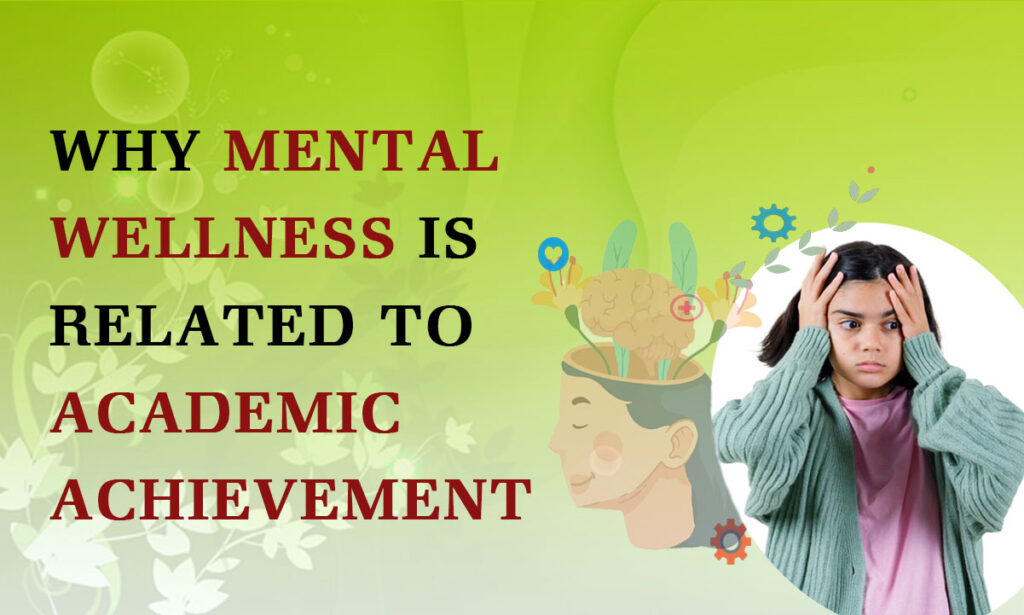
In today's competitive world, academic stress has become an unavoidable part of students' lives. The pressure to excel, meet project deadlines, balance studies with extracurricular activities, and meet high parental expectations is taking a toll on students' physical and mental well-being. From school-going children to college and university students, no one is untouched by academic stress.
While a moderate level of stress can act as a motivator, chronic academic stress can lead to anxiety, depression, and burnout. This is not only affecting their performance but also leading to various mental health challenges that must be given due attention.
However, understanding the effects of academic stress on mental health and recognizing when to seek professional help can make a significant difference in managing stress effectively. This enables children to excel academically while maintaining their well-being, free from unnecessary burdens.
Relationship between Academic Stress and Mental Health
Academic stress refers to the emotional strain students experience due to the overwhelming demands of a highly competitive education system. It can arise from various sources, including heavy coursework, strict deadlines, parental pressure, and the constant need to outperform peers. Meanwhile, digital learning, though offering the flexibility to study at one's convenience, has also led to increased screen time and reduced face-to-face interactions, resulting in social isolation and mental fatigue for many students.
How Academic Stress Affects Mental Health
Academic stress has impacted students in various ways—physically, emotionally, and psychologically. Some of the most common effects include:
- Anxiety and Depression
The constant pressure to excel in academics can lead to severe anxiety and depression. Students often experience excessive worry, self-doubt, and feelings of hopelessness, making it difficult to focus on studies and daily activities. The fear of failure and the burden of expectations can further aggravate these conditions.
- Sleep Disorders
Many students sacrifice sleep to meet deadlines or prepare for exams. Late-night studying, overthinking, and academic worries often lead to insomnia or disturbed sleep patterns, which, in turn, increase stress levels and reduce cognitive function.
- Burnout and Fatigue
Continuous studying without breaks can result in burnout, leading to exhaustion, lack of motivation, and decreased productivity. Prolonged academic stress can drain students both mentally and physically, making it harder for them to stay engaged in learning.
- Low Self-Esteem
Repeated failures, high expectations, or poor performance can significantly lower a student’s self-confidence. Comparing oneself with peers often leads to self-doubt, making students feel inadequate and incapable, further affecting their academic performance.
- Physical Health Issues
Academic stress doesn’t just affect mental well-being—it also has physical consequences. Prolonged stress can lead to headaches, fatigue, digestive issues, and a weakened immune system, making students more vulnerable to illnesses.
- Social Withdrawal
Many students under extreme academic pressure isolate themselves from family and friends. The lack of emotional support and social interactions can lead to loneliness, increased stress, and a higher risk of developing mood disorders.
By understanding these effects, students, parents, and educators can take proactive steps to create a healthier academic environment that prioritizes both success and mental well-being. Various organizations and centers are becoming increasingly aware of the issues related to academic stress and are taking proactive measures to address them. These organizations collaborate with educational institutions to conduct workshops that emphasize the importance of mental well-being and strategies for reducing mental health challenges among students.
Manam Foundation is one such organization in the Odisha region that is committed to providing the best mental health counseling in Bhubaneswar. With its focus on mental well-being initiatives, Manam Foundation works closely with schools, colleges, and universities to raise awareness about the impact of academic stress. The foundation conducts workshops, counseling sessions, and awareness programs to support students in managing their mental health and helping them cope with stress, anxiety, and other related issues.
By creating a supportive and proactive environment, Manam Foundation empowers students to prioritize their mental well-being alongside academic achievements. Their initiatives aim to foster a balanced approach to education, ensuring that students are not only excelling academically but are also equipped with the tools and resources to maintain their mental health.
Coping Strategies to Manage Academic Stress
Academic stress is an inevitable part of student life, but with the right strategies, it can be effectively managed to maintain good mental health. Here are some proven techniques to help students cope with stress and maintain balance in their lives:
- Time Management and Planning
Properly organizing study schedules and breaking tasks into manageable parts can alleviate pressure. Setting realistic goals and using tools like planners or digital apps to track deadlines can help students stay on top of their work and avoid last-minute stress.
- Mindfulness and Relaxation Techniques
Practicing activities like meditation, deep breathing exercises, and yoga can significantly reduce stress levels. These techniques help calm the mind, improve focus, and boost overall mental well-being.
- Physical Activity and Healthy Lifestyle
Regular exercise is one of the most effective stress relievers. Physical activities like jogging, dancing, or even a short walk release endorphins, which elevate mood and reduce anxiety. Maintaining a balanced diet and getting adequate sleep also contribute to cognitive function and emotional stability.
- Seeking Emotional Support
Talking to friends, family, or a trusted teacher about academic concerns can provide emotional relief. A strong support system plays a key role in mental health, offering both comfort and practical solutions to stressful situations.
- Professional Counseling
If stress becomes overwhelming and starts to affect daily life, seeking help from a mental health professional can make a significant difference.
Dr. Anuradha Mahapatra and Soumya Sucharita Mohapatra are renowned mental health counselors in Bhubaneswar. With their expertise and personalized approach, they assist students in navigating academic challenges, managing stress, anxiety, burnout, and other mental health concerns, and providing the support needed to maintain emotional well-being.
- Limiting Digital Overload
While technology plays a vital role in learning, excessive screen time can lead to burnout. Taking regular breaks from screens, practicing digital detox, and engaging in offline activities can help improve focus and reduce stress.
- Engage in Hobbies and Creative Outlets
Pursuing hobbies like music, art, or sports can act as powerful stress relievers. These activities help shift focus away from academic pressure and provide a sense of accomplishment and relaxation.
- Setting Realistic Academic Goals
Understanding one's strengths and setting achievable goals can prevent unnecessary pressure. It’s important to focus on progress rather than perfection and celebrate small victories along the way. By incorporating these strategies into daily life, students can manage academic stress more effectively, improve their mental well-being, and navigate their academic journey with greater ease.
Conclusion
By prioritizing mental health and seeking timely professional support, students can achieve both academic and personal success. If you or someone you know is struggling with academic stress, don't hesitate to reach out to the best mental health counseling in Bhubaneswar, Odisha – Manam Foundation.
With expert counselors and psychologists offering therapy, counseling, and other personalized services, Manam Foundation provides the support needed to address stress, build resilience, and enhance overall well-being.
Remember, mental well-being is just as important as academic success, and seeking help is a crucial step toward a brighter, stress-free future.
Embrace a balanced approach to life and education, and take the first step toward a healthier, more fulfilling journey.